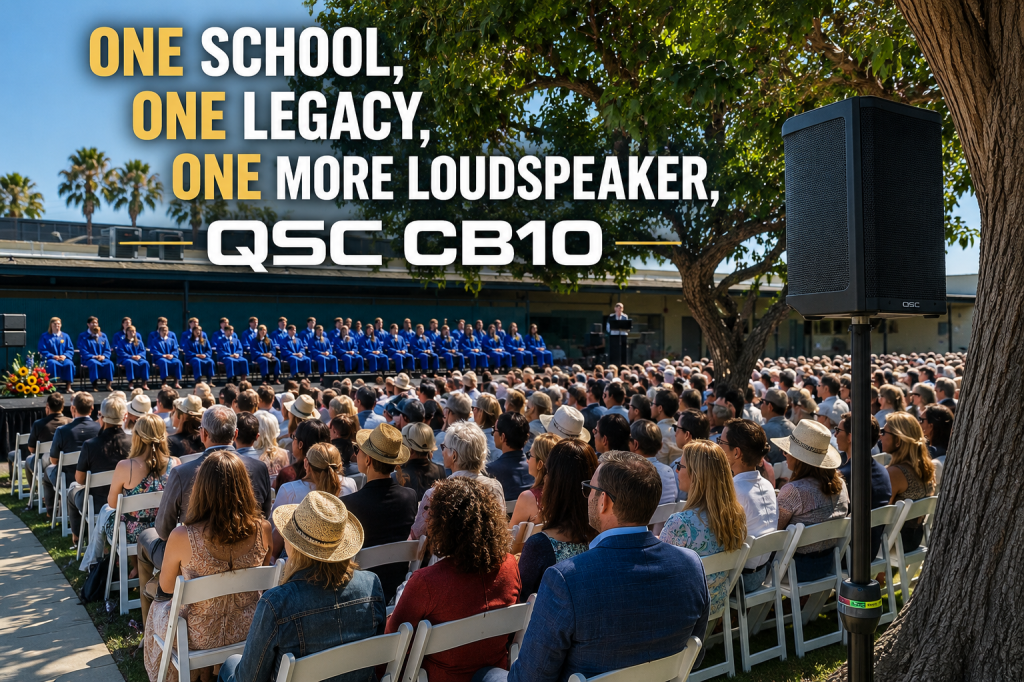
Every year, schools hold graduations and musical performances that become lasting memories for students and families. For me, providing audio for Carden Hall’s Graduation and Spring Sing is more than just another production job—it’s personal.
I attended Carden Hall as a student, sitting in the same audience areas where today’s parents proudly watch their children perform. Long before I was mixing these events, my father, Evan Williams, was the person behind the scenes making sure every word, song, and announcement could be heard clearly. For nearly twenty years, he handled the production for Carden Hall’s major events, helping create experiences that students and families would remember long after graduation day.
When my father stepped away, the responsibility was passed to one of his audio students, who continued the tradition for another twenty years. Then, last year, something remarkable happened. The production responsibilities were handed to me.
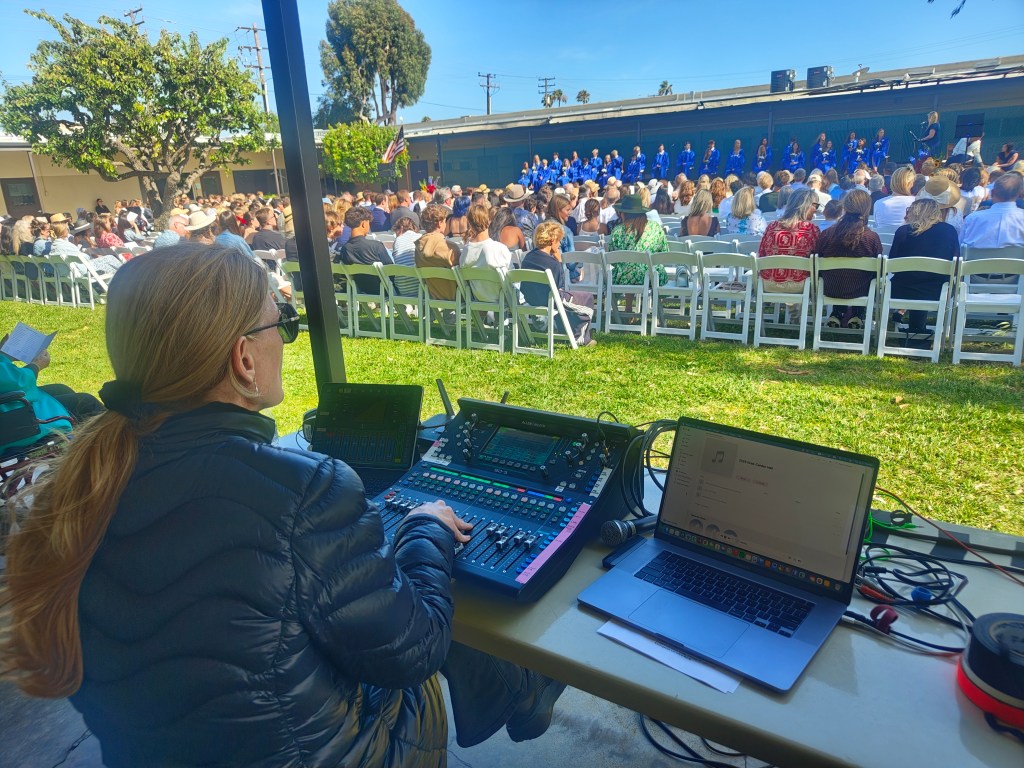
As I stood behind the mixer this year, watching another group of students perform and graduate, I couldn’t help but think about the path that led here. What began with my father eventually found its way back to another Carden Hall alum—his daughter, me. In many ways, it feels like coming full circle. I have the privilege of continuing that tradition.
For me, that’s what makes Carden Hall special. It’s not just another show. It’s a legacy I’m honored to be part of.
The Problem I Didn’t See Coming
During my first year providing audio for Carden Hall’s Graduation and Spring Sing, I noticed something I hadn’t anticipated. As the audience grew, many parents and family members spread out beyond the seating area and gathered in locations that were well outside the coverage pattern of the main PA speakers.
While the system sounded great in the primary audience area, those farther away weren’t getting the same listening experience. Some areas had significantly lower volume, while others lacked the clarity needed to understand speeches and song lyrics. I made a mental note that if I returned the following year, I would solve that problem with delay speakers.
The Magic of Delay Speakers
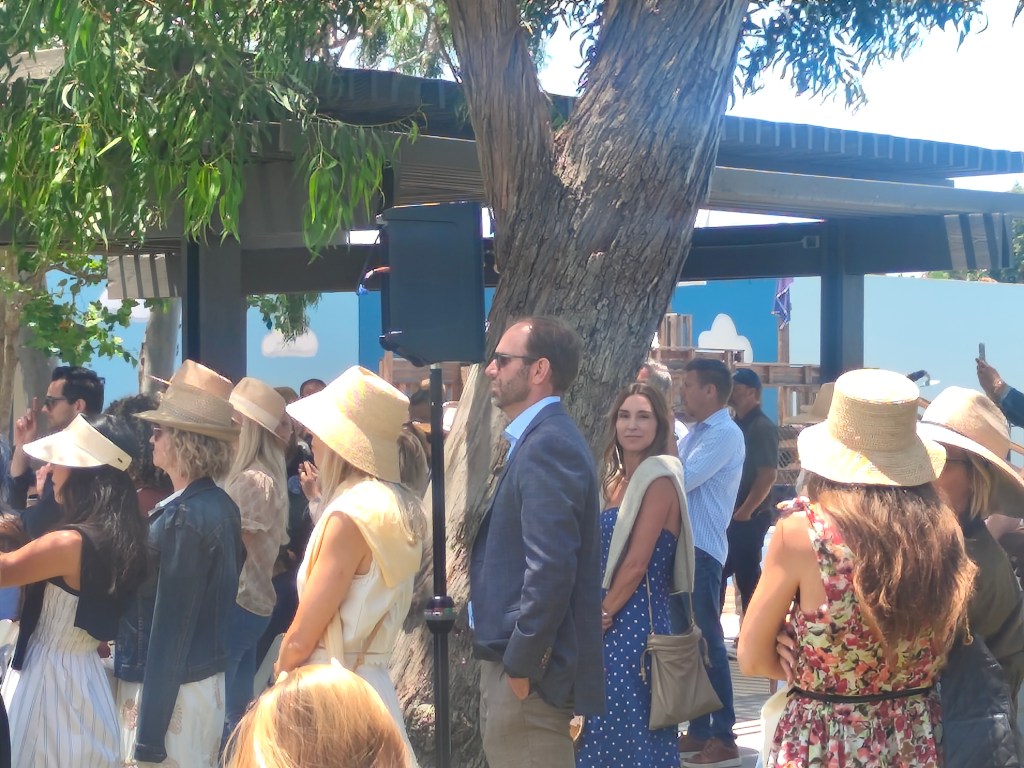
A delay speaker is exactly what it sounds like: an additional loudspeaker placed farther away from the main PA system to extend coverage to distant audience areas. Instead of simply turning up the main speakers and hoping the sound reaches everyone, delay speakers allow you to place sound closer to listeners who are farther away.
Adding a speaker farther out in the audience solves one problem but can create another. If the delay speaker isn’t timed correctly, listeners may hear the same sound twice—once from the main PA and again from the delay speaker.
The solution is to delay the signal feeding the distant speaker so its sound arrives at the same time as the sound from the main PA. A handy rule of thumb is that sound travels about one foot per millisecond. So, if a delay speaker is placed 50 feet from the main PA, you’d start with about 50 milliseconds of delay.
When properly aligned, the audience doesn’t hear two speakers. They hear one clear, coherent sound system with coverage that extends far beyond the reach of the main PA.
The Cable-Free Solution
Once I decided to deploy a delay speaker, I faced another challenge. Parents and family members were standing throughout the area where I needed to place the speaker. Running AC power cables and audio lines through the crowd would create potential trip hazards, and covering those cables with cable ramps would detract from the clean appearance of the graduation setup.
I needed a solution that was safe, effective, and nearly invisible.
Enter the QSC CB10.
The CB10 is a battery-powered loudspeaker designed for applications where running cables simply isn’t practical. What impressed me most wasn’t just the freedom from power cables—it was the sound quality. Most battery-powered speakers require compromises in output, clarity, or low-frequency performance. The CB10 doesn’t feel like a compromise at all. It delivers the kind of clear, full-range sound you’d expect from a professional powered loudspeaker while offering enough battery life to comfortably handle an event like Graduation and Spring Sing. Voices remained natural and intelligible, music sounded full, and the speaker had no trouble keeping up with the demands of the event.
To make the system completely wireless, I paired the CB10 with a wireless in-ear monitor transmitter and receiver. Instead of running a long audio cable from the console to the delay speaker, I sent the signal wirelessly and connected the receiver directly to the speaker. The result was a fully wireless delay system—no power cable, no audio cable, no trip hazards, and no visual clutter.
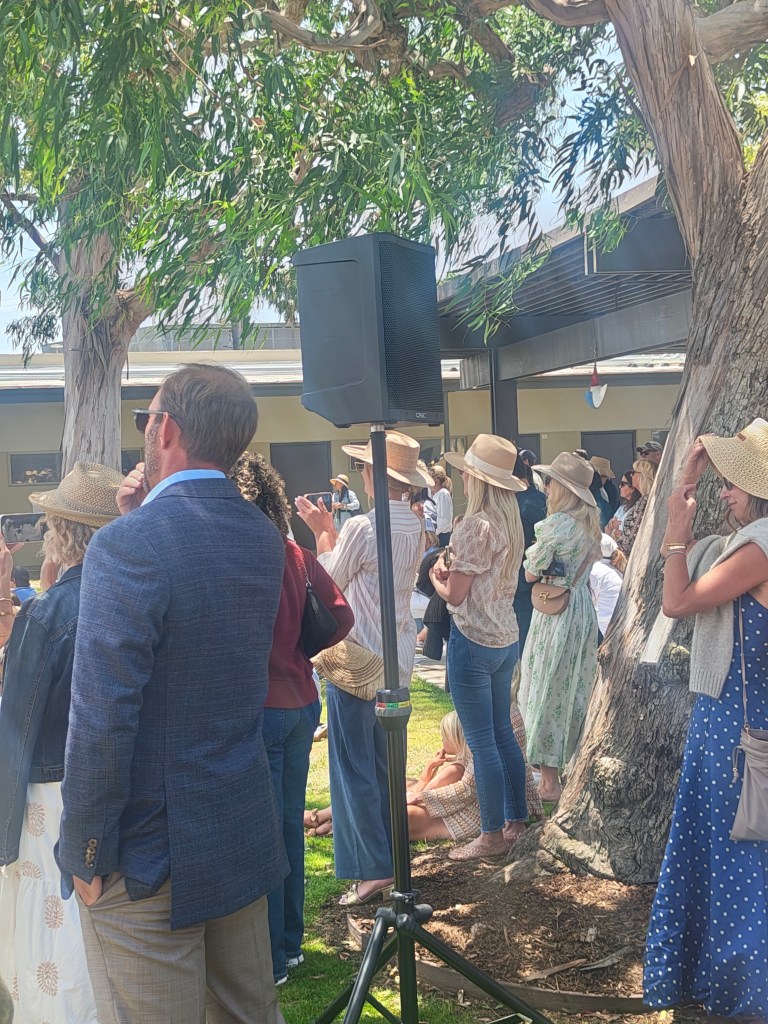
The speaker simply appeared where it needed to be, providing coverage to families outside the main PA area while blending seamlessly into the event.
Closing Thoughts
At the end of the day, nobody in the audience was thinking about delay times, wireless audio links, battery-powered speakers, or coverage patterns. They were focused on watching their children sing, perform, and graduate. That’s exactly how it should be.
For me, that’s what live sound is all about. The technology exists to serve the moment, not distract from it. By extending coverage with a properly timed delay speaker and creating a completely wireless solution with the QSC CB10, I was able to ensure that more families could clearly hear the memories being made that day.
As I packed up the gear and looked out over the same campus where I once sat as a student, I couldn’t help but appreciate how special this event has become for me. It’s an opportunity to continue a tradition that began with my father more than forty years ago, while using today’s technology to create the best possible experience for the next generation of Carden Hall students and their families.



 Soundcheck Diaries
Leave a comment